

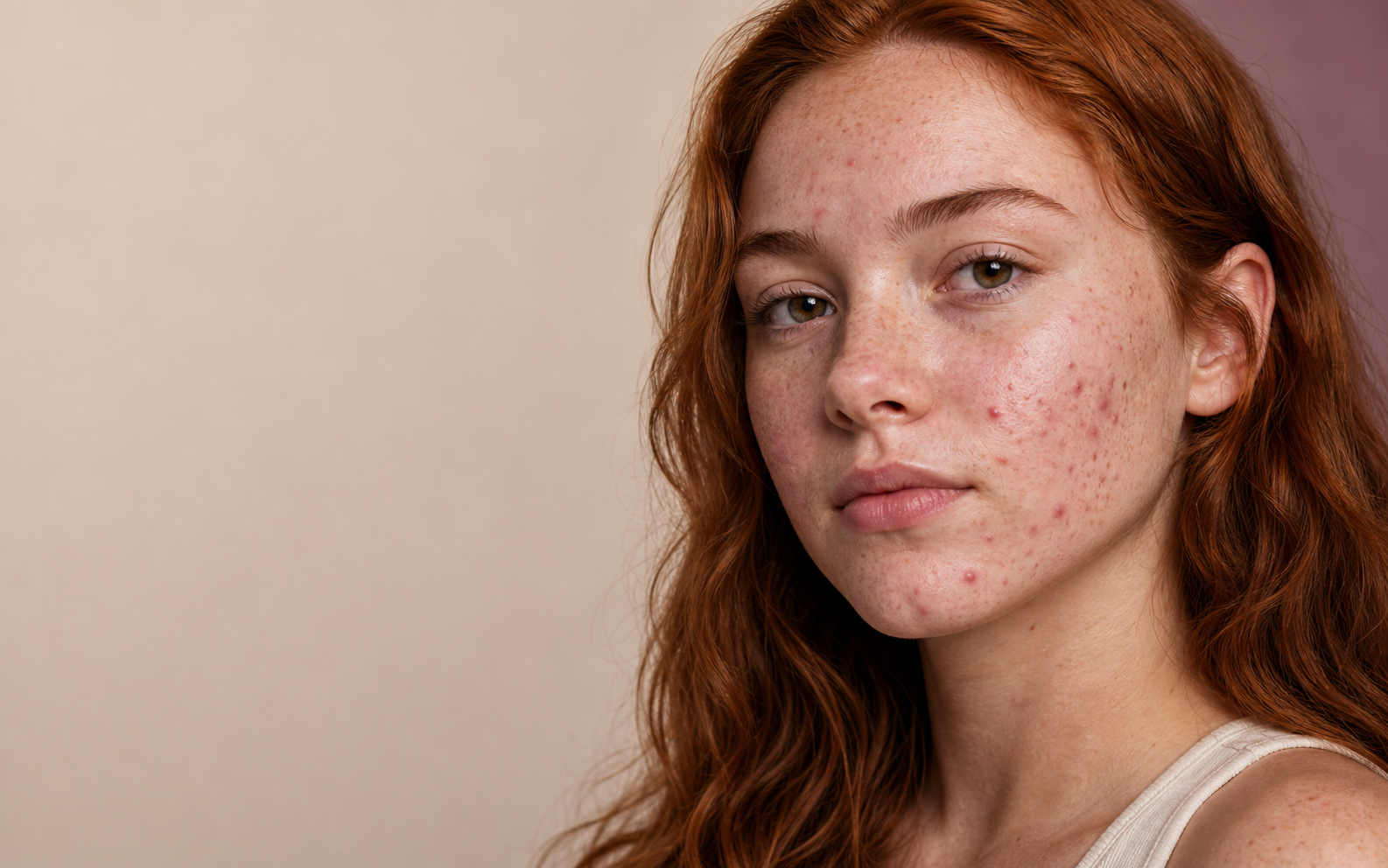
Acne Treatment in Atlanta, GA
Expert care for acne and acne scarring in all skin tones—with particular expertise in melanin-rich skin. Cutis MD Dermatology serves patients throughout Vinings, Buckhead, Cumberland, and greater Atlanta, with in-person and virtual appointments available.
Acne is one of the most common skin conditions, but its effects extend beyond active breakouts. In patients with darker skin tones, inflammation may also leave persistent post-inflammatory hyperpigmentation, or PIH, long after a lesion heals. Treating acne effectively requires more than clearing existing blemishes—it requires preventing new inflammation, minimizing irritation, protecting the skin barrier, and reducing the risk of discoloration and scarring.
What is Acne?
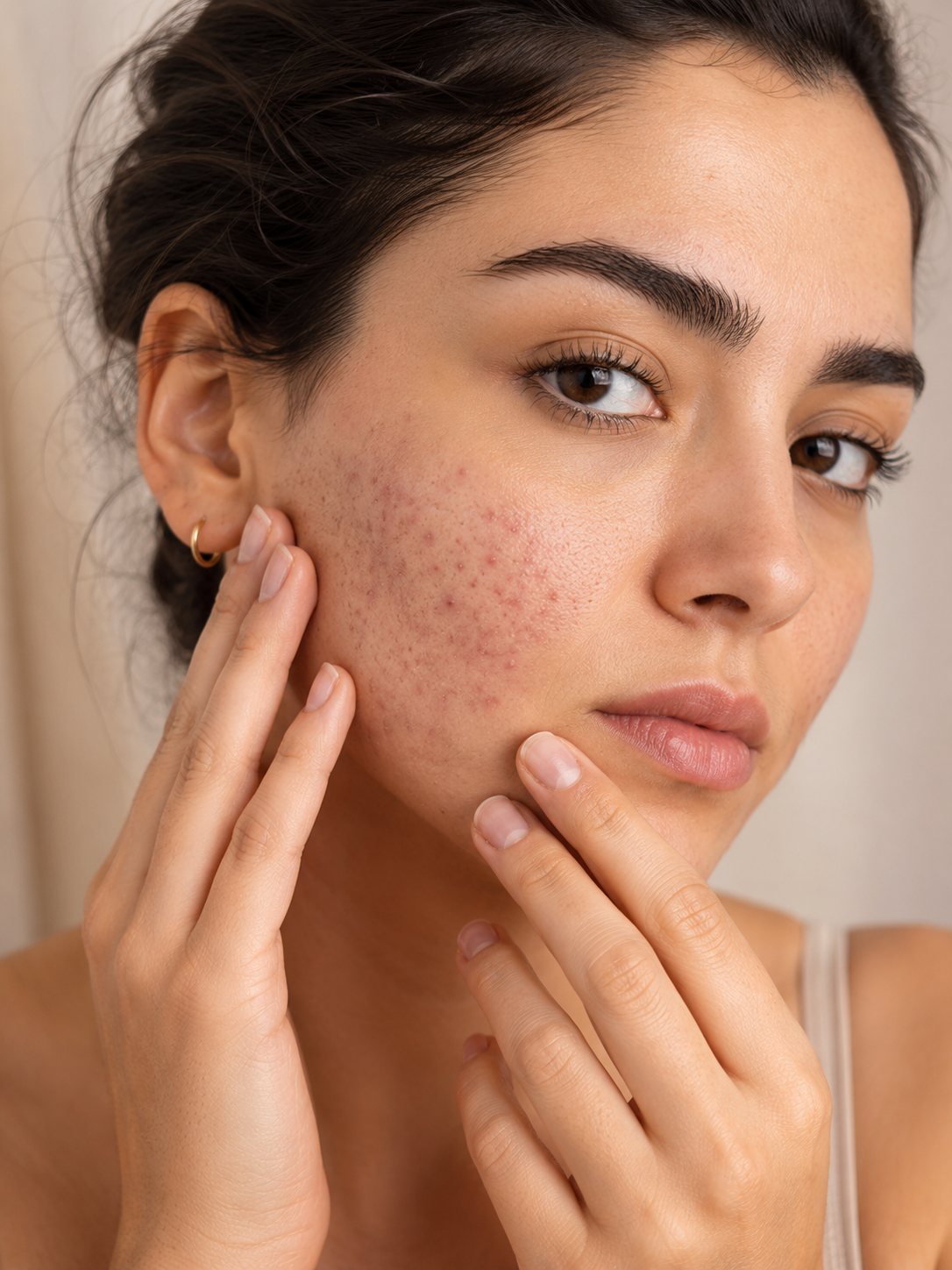
Acne is an inflammatory condition that develops when hair follicles become clogged with oil and dead skin cells, creating an environment where bacteria can thrive. It can appear as blackheads, whiteheads, inflamed papules, pustules, nodules, or cysts.
Acne is not caused by poor hygiene or diet alone. Sebum production, follicular occlusion, bacterial overgrowth, inflammation, genetics, and hormonal fluctuations may all play a role.
Comedonal acne
Blackheads, whiteheads, and clogged pores.
Inflammatory acne
Red or tender papules and pustules.
Hormonal acne
Often concentrated along the jawline and lower face.
Nodulocystic acne
Deeper, more painful lesions with a greater risk of scarring.
Acne in Skin of Color
Why the stakes are higher…
Every pimple, cyst, or inflamed lesion can potentially leave a dark mark. In patients with Fitzpatrick skin types IV through VI, the inflammatory response to acne may trigger increased melanin production in the surrounding skin, leaving behind post-inflammatory hyperpigmentation that can persist for months or years after the acne itself resolves.
For many patients with darker skin tones, the dark spots become the primary concern. Treatment must therefore address active acne while also minimizing irritation and preventing additional pigmentation.
Aggressive treatments that create excessive dryness or inflammation may clear acne while worsening hyperpigmentation. Dr. Marcelus uses a pigment-conscious approach designed to treat acne effectively while protecting the skin’s future appearance.
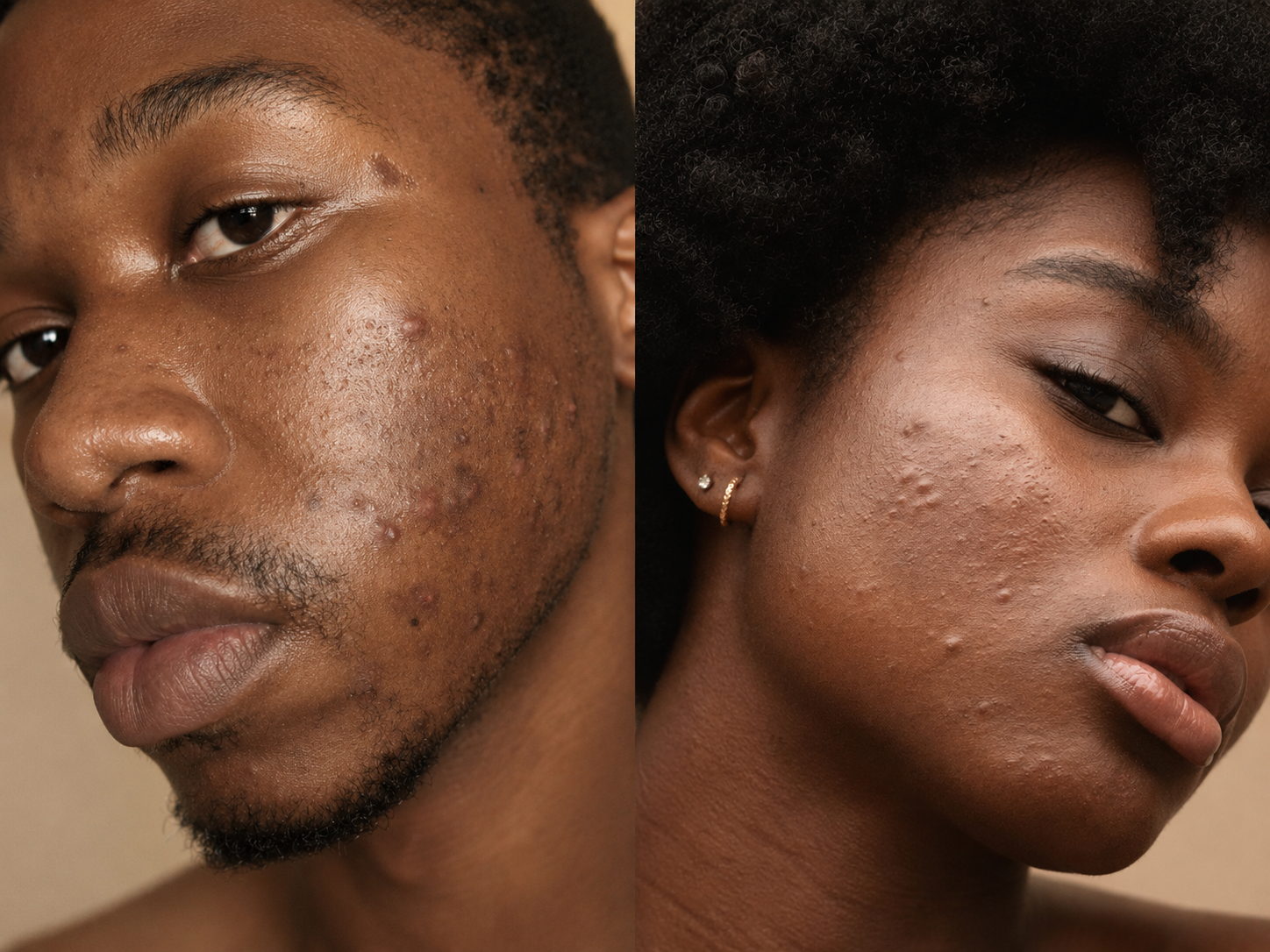
Acne Scarring
Beyond post-inflammatory hyperpigmentation, some patients develop true acne scars—depressions or raised areas where the skin’s architecture has been physically altered. Ice pick scars, boxcar scars, rolling scars, and hypertrophic or keloid scars can all occur.
Treating acne scars in melanin-rich skin requires careful selection of procedures because not every resurfacing treatment, laser, or peel is appropriate for every skin tone.
Ice pick scars
Deep, narrow depressions extending into the skin.
Boxcar scars
Broader depressions with more defined edges.
Rolling scars
Shallow, wave-like depressions caused by tethering beneath the skin.
Raised scars
Hypertrophic or keloid scars extending above the surrounding skin.
Different scar types respond to different procedures, which is why acne-scar treatment must be individualized.
Treatment Options at Cutis MD
Dr. Marcelus develops an individualized treatment plan based on your acne type, severity, skin tone, previous treatments, medical history, and risk of discoloration or scarring.
Prescription topical therapy
Topical retinoids, retinol formulations, benzoyl peroxide, topical antibiotics, and other medications selected according to your skin’s needs and tolerance.
Pigment-conscious acne care
Azelaic acid and other pigment-directed treatments may be incorporated to treat acne while minimizing or improving post-inflammatory hyperpigmentation.
Oral medications
Doxycycline, minocycline, or other oral therapies may be considered for moderate-to-severe inflammatory acne.
Hormonal therapy
Spironolactone or oral contraceptives may be considered for patients with hormonally influenced acne when medically appropriate.
Isotretinoin
Isotretinoin may be recommended for severe, scarring, persistent, or treatment-resistant acne.
Procedural treatments
Chemical peels, microneedling, and other procedures may be used to address acne, discoloration, texture, and acne scarring when appropriate.
Every treatment plan includes personalized skincare guidance to support the skin barrier and reduce unnecessary irritation.
Frequently Asked Questions
-
Post-inflammatory hyperpigmentation, or PIH, is the dark discoloration that may remain after an acne lesion heals. The skin’s underlying structure remains intact, which means PIH is a pigmentary change rather than a true scar.
A true acne scar involves a physical alteration in the skin’s texture or architecture, such as a depression or raised area. PIH may gradually fade with time and treatment, while acne scars often require procedural treatment.
-
Some acne treatments can cause dryness, inflammation, or irritation, which may worsen hyperpigmentation—particularly in melanin-rich skin. Dr. Marcelus selects medications, strengths, and treatment protocols with this risk in mind and adjusts the regimen if excessive irritation develops.
-
Most acne treatments require consistent use for approximately 8 to 12 weeks before meaningful improvement becomes noticeable. Post-inflammatory hyperpigmentation may take several additional months to fade, even after active acne is controlled.
Acne-scar treatment usually requires a series of procedures. The number and type of sessions depend on the scar pattern, skin tone, selected treatment, and individual response.
-
Yes. Treatment can often be designed to control active acne while also addressing post-inflammatory hyperpigmentation. However, preventing new breakouts is essential because every new inflammatory lesion may create additional discoloration.
-
Isotretinoin may be considered for severe, scarring, persistent, or treatment-resistant acne. The decision is individualized after reviewing your acne history, previous treatments, medical history, and treatment goals.
-
Virtual acne consultations and follow-up appointments are available for patients located in Georgia. An in-person evaluation may be recommended when a procedure, injection, or closer physical examination is needed.
Ready to Start Your Acne Treatment Plan?
Cutis MD welcomes new patients for the evaluation and treatment of acne, post-inflammatory hyperpigmentation, and acne scarring. Treatment is personalized according to your skin type, acne pattern, prior treatments, and goals.
In-person appointments in Vinings, Atlanta
Virtual consultations available throughout Georgia