


Dermatology
Conditions We Treat
Personalized dermatologic care for common and complex conditions affecting the skin, hair, and nails—available in person in Vinings/Atlanta and virtually throughout Georgia
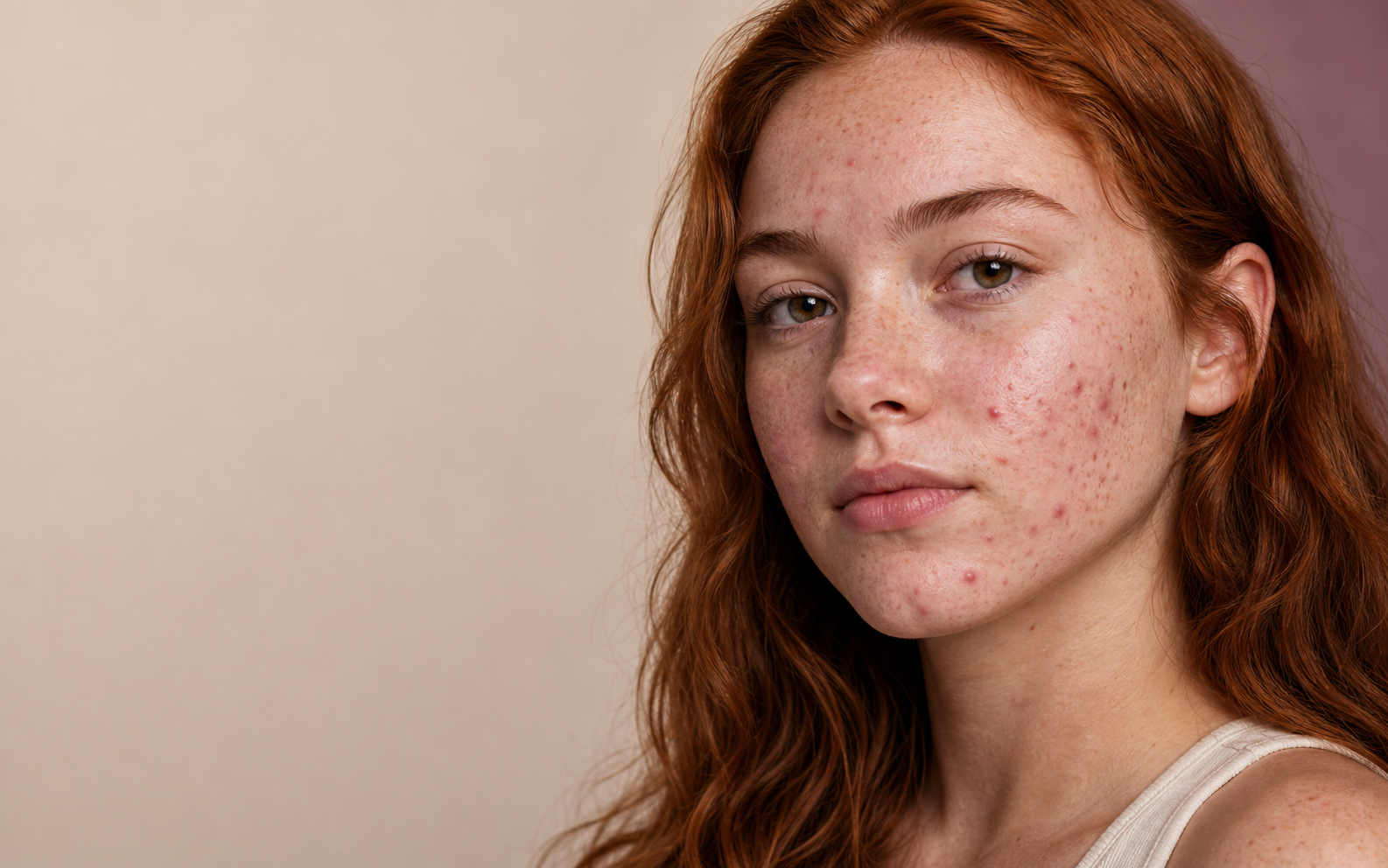
Find Your Condition
Select a condition to jump directly to its overview, treatment options, patient questions, and appointment information.
Skin Conditions
Acne & Acne Scarring / Eczema & Atopic Dermatitis / Psoriasis / Pigmentation & Melasma
Hair & Scalp
Complex & Inflammatory Conditions
Specialty Care

CLEARER SKIN, PERSONALIZED CARE
Acne & Acne Scaring
Comprehensive acne care for all skin tones, with attention to active breakouts, post-inflammatory dark marks, texture, and scarring.
Controlling inflammation early can help reduce new breakouts, persistent discoloration, and future scars.
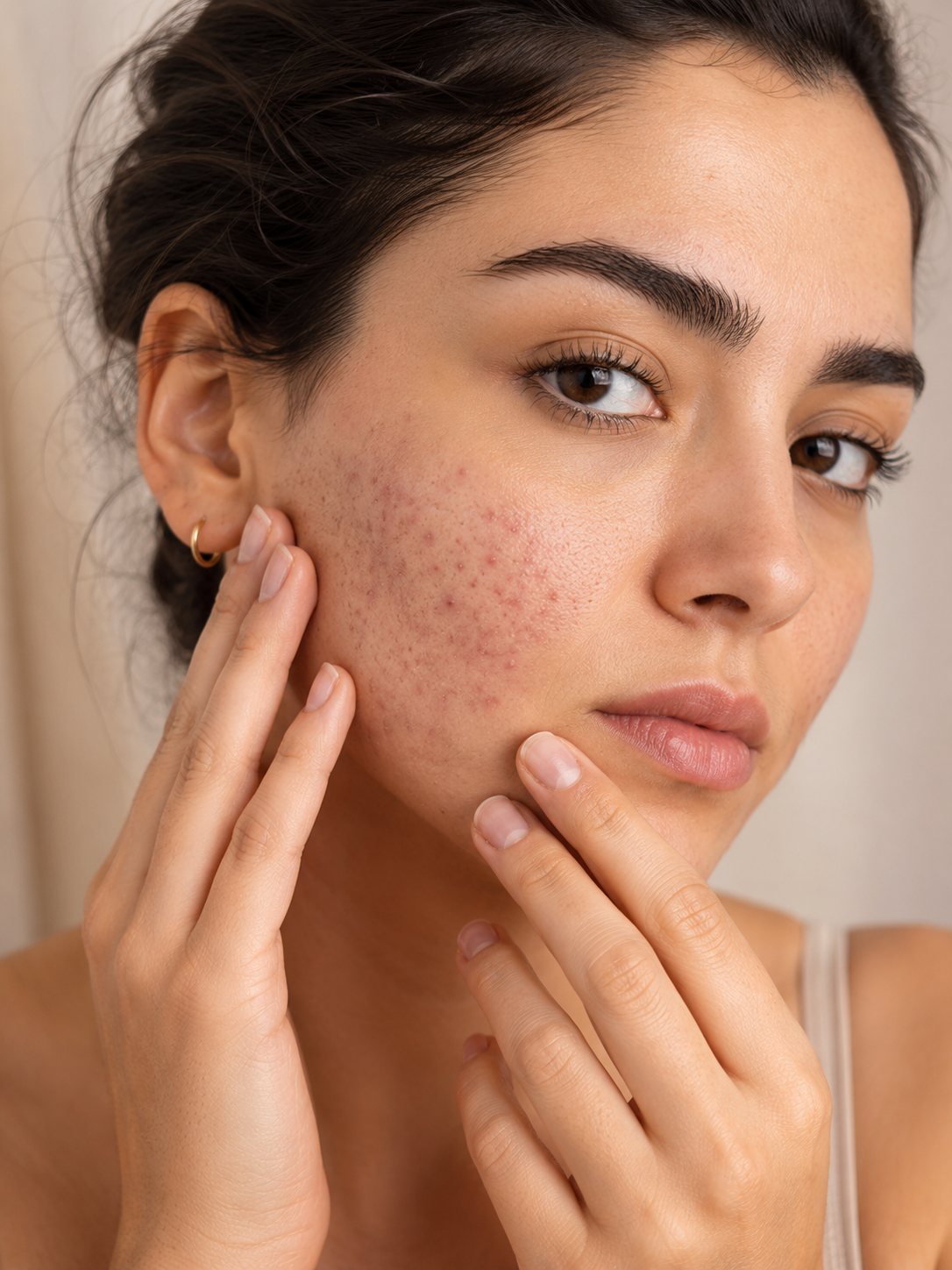
WHAT IS ACNE?
One Condition, Several Problems
Acne develops when follicles become clogged with oil and dead skin cells and inflammation develops within the follicle. It may appear as blackheads, whiteheads, inflamed bumps, pustules, nodules, or cysts.
Hormones, genetics, medications, skin-care products, friction, and stress can influence acne. A treatment plan should match the type and severity of acne rather than simply dry the skin.
COMEDONAL ACNE
Blackheads and whiteheads caused by clogged follicles.
INFLAMMATORY ACNE
Tender papules, pustules, nodules, or cysts with a higher risk of marks.
Acne and the Mark They Leave
Not every mark after acne is a scar. Correctly identifying discoloration, depressed scars, and raised scars helps determine what will actually help.
ACNE DARK MARKS
Post-inflammatory hyperpigmentation changes color without changing skin structure.
TRUE SCARS
Ice-pick, boxcar, rolling, hypertrophic, or keloid scars change the skin’s structure.
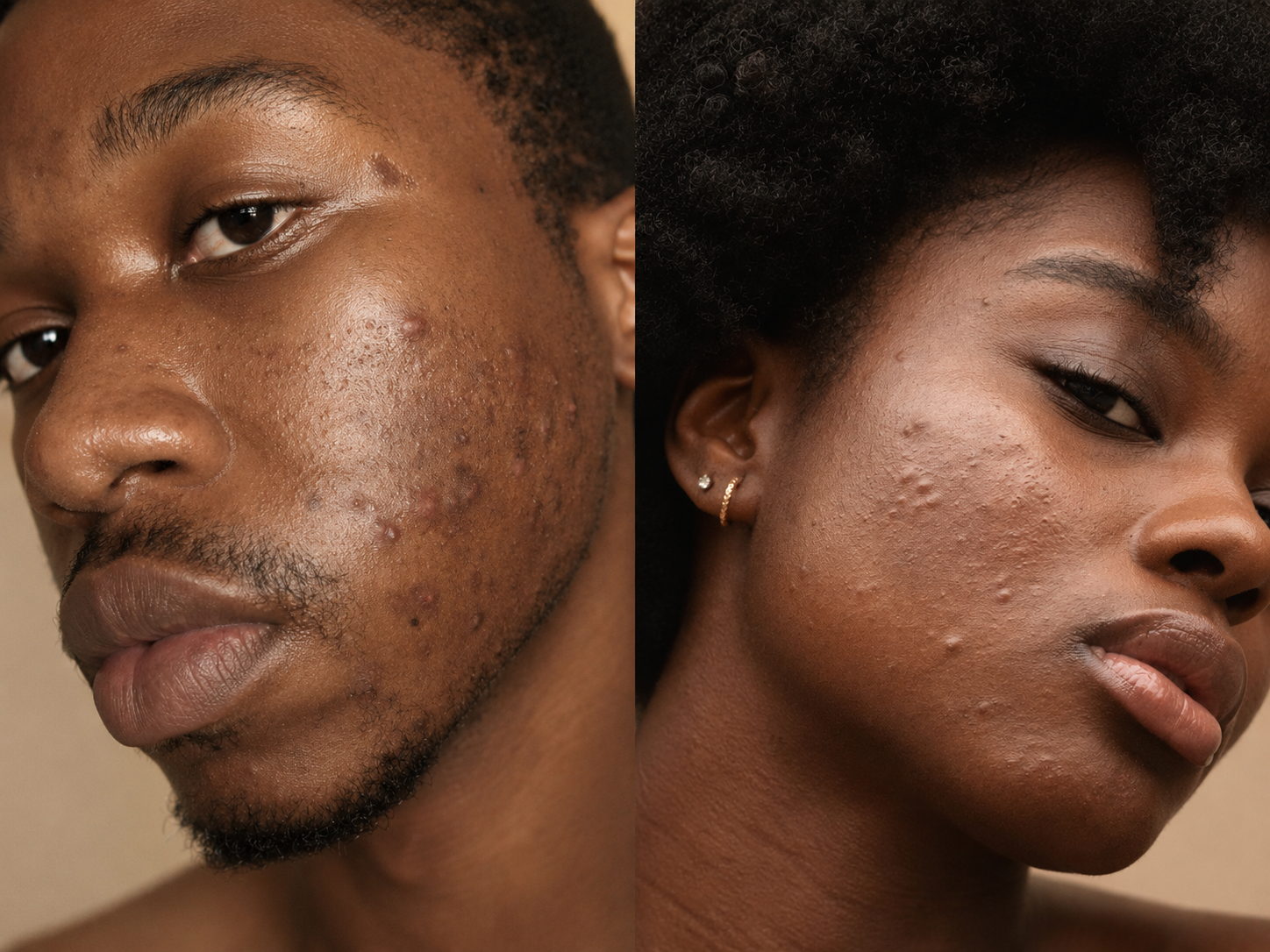
Acne in Skin of Color—
Why the stakes are higher…
Every pimple, cyst, or inflamed lesion is a potential dark mark. In patients with Fitzpatrick skin types IV through VI, the inflammatory response of acne almost always triggers melanin overproduction in the surrounding skin — leaving behind post-inflammatory hyperpigmentation (PIH) that can persist for months to years after the acne itself has resolved. For many patients with darker skin tones, the dark spots become the primary complaint.
This is why treating acne in patients with melanin-rich skin requires a strategy from the start that accounts for PIH prevention — not just acne control. Aggressive treatments that cause significant irritation may clear acne while leaving behind more hyperpigmentation. Dr. Marcelus approaches acne treatment with this reality in mind from day one.
Treatment Options at Cutis MD
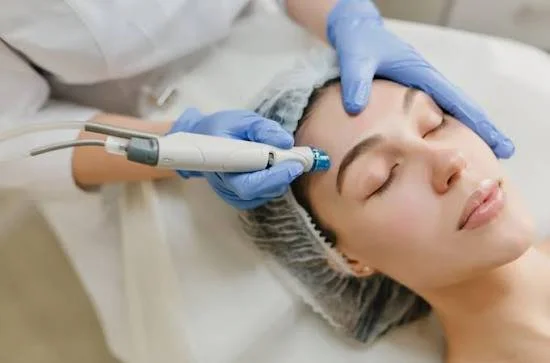
If you've been living with painful, recurring bumps or abscesses in your underarms, groin, thighs, or beneath your breasts — and haven't been able to get answers — you may have hidradenitis suppurativa. Dr. Christina Marcelus is a board-certified dermatologist in Atlanta, Georgia, with specialized expertise in the diagnosis and long-term management of HS. Cutis MD Dermatology serves patients throughout Vinings, Buckhead, Cumberland, and the greater Atlanta area, with in-person and virtual appointments available.
What is hidradenitis suppurativa?
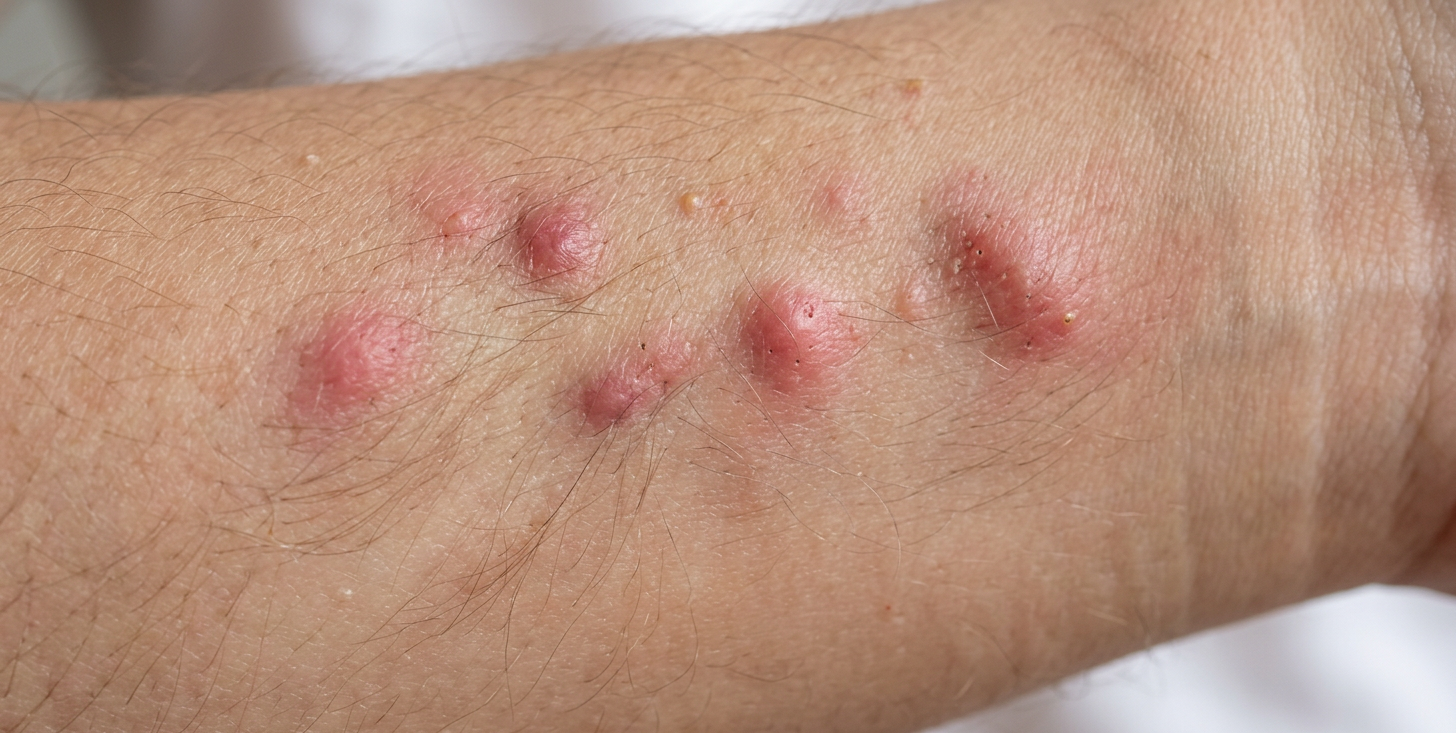
Hidradenitis suppurativa, or HS, is a chronic inflammatory skin condition that causes painful, recurrent lumps, abscesses, and tunnel-like tracts beneath the skin, most commonly in the underarms, groin, inner thighs, buttocks, and under the breasts. It is not contagious. It is not caused by poor hygiene. It is not simply ingrown hairs or recurring cysts.
HS is an immune-mediated inflammatory condition driven by abnormal follicular occlusion, chronic inflammation, and in many patients, a significant genetic component. Without appropriate treatment, HS tends to progress, leading to more frequent flares, deeper scarring, and a substantial impact on quality of life.
Who does HS affect?
HS affects approximately 1–4% of the general population, but the burden is not equally distributed. Research consistently shows that Black women are diagnosed with HS at significantly higher rates than other groups, and often with more severe disease presentations. Despite this, HS remains one of the most underdiagnosed and undertreated conditions in dermatology.
The average time from first symptom to accurate diagnosis is seven to ten years. Many patients are told they have folliculitis, boils, or infected cysts before someone finally identifies what's actually happening. If you've been dismissed, misdiagnosed, or simply never gotten a satisfying answer, that experience is common, and it's not your fault.
Signs and symptoms of HS
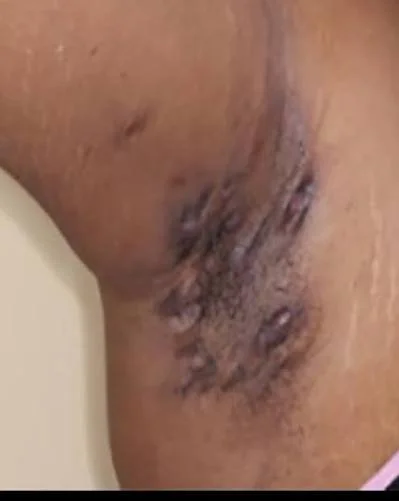
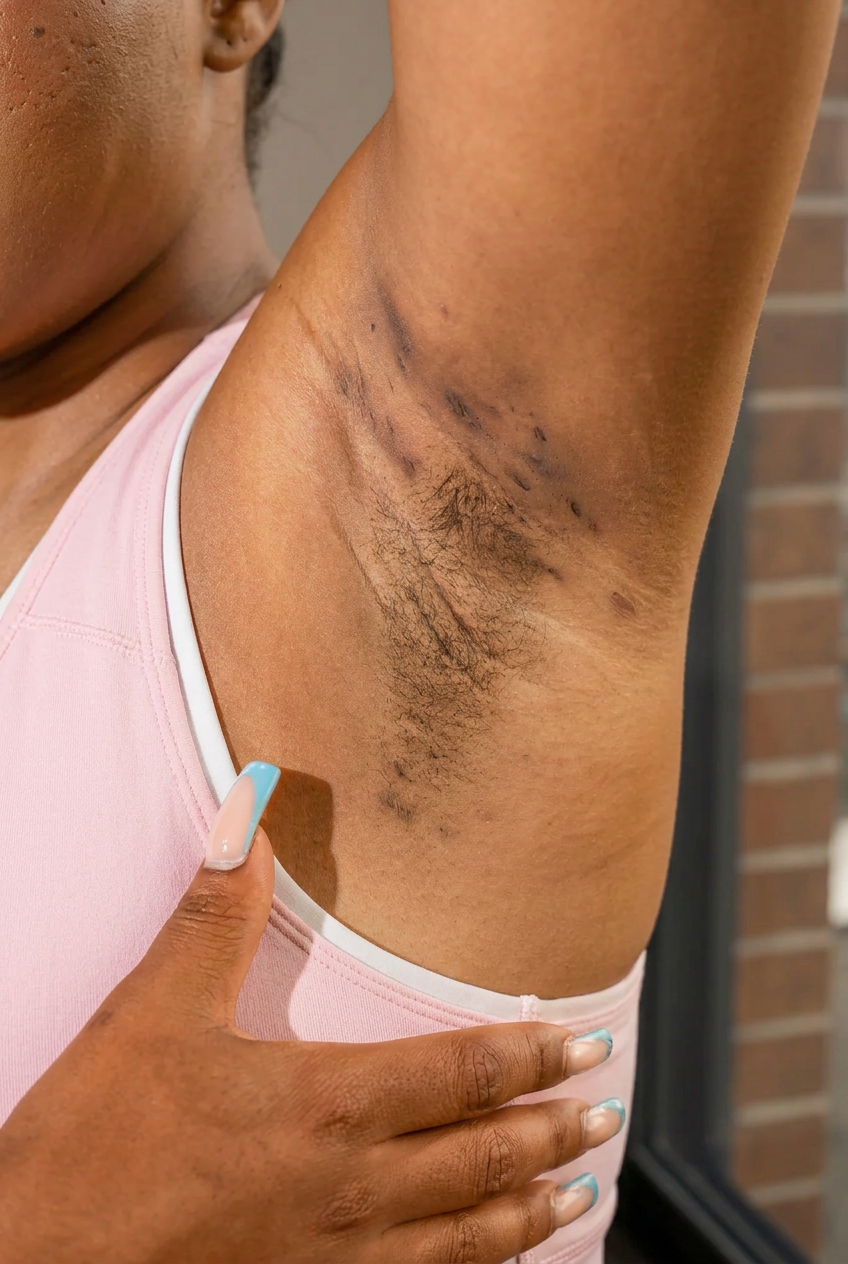
Common signs of HS include recurring painful nodules or boils in skin-fold areas, abscesses that rupture and drain, scarring and tunnel formation beneath the skin surface, cord-like bands or thickened skin at previously affected sites, post-inflammatory dark spots or hyperpigmentation where lesions have healed, and flares that seem to worsen around menstrual cycles, with heat, friction, or stress.
HS is staged using the Hurley scale — from Stage I (isolated abscesses without scarring) through Stage III (diffuse involvement with extensive scarring and tunneling). Treatment approach depends significantly on stage, and early intervention produces the best long-term outcomes.
How Dr. Marcelus Treats HS at Cutis MD
There is no one-size-fits-all approach to HS. Dr. Marcelus conducts a thorough evaluation of your disease history, severity, and prior treatments before recommending any protocol. Depending on your presentation, treatment options may include:
Topical therapies for mild or early-stage disease
Oral antibiotics including tetracyclines and combination regimens for moderate disease
Hormonal therapies including oral contraceptives and spironolactone where appropriate
Biologic therapy — adalimumab (Humira) is FDA-approved for moderate-to-severe HS and can significantly reduce flare frequency and severity
Procedural options including incision and drainage for acute abscesses and intralesional corticosteroid injections
Referral coordination with surgeons for advanced or refractory cases
Guidance on wound care, flare prevention, and lifestyle modifications that may reduce disease activity
Throughout treatment, Dr. Marcelus will monitor your response, adjust your plan as needed, and take time at every visit to explain what's working, what isn't, and what the next step is.
FAQ
Q: What is the difference between HS and boils?
HS produces recurrent, painful lesions in characteristic locations — underarms, groin, thighs, buttocks — and involves deeper tissue inflammation, scarring, and tunneling that simple boils do not. Boils are usually isolated infections that resolve fully. HS is a chronic systemic condition that does not resolve without targeted treatment.
Q: Is HS contagious?
No. HS is an immune-mediated inflammatory condition, not an infection that can be spread. It cannot be transmitted through contact.
Q: Why does it take so long to get an HS diagnosis?
HS is widely underrepresented in medical training, and its characteristic locations and appearance are frequently misidentified as boils, folliculitis, or cysts. The average time from first symptom to accurate diagnosis is seven to ten years. Dr. Marcelus evaluates HS with current clinical criteria and can typically make the diagnosis in a single visit.
Booking CTA
Cutis MD accepts new patients for hidradenitis suppurativa — both for initial diagnosis and for patients who have already been diagnosed but are not getting adequate relief with current treatment. In-person appointments are available in Vinings, Atlanta, and virtual consultations are available for patients throughout Georgia.
Hair loss can be emotionally devastating, and for many Black women, it's a condition that has been dismissed, minimized, or simply missed at the dermatologist's office for years. Dr. Christina Marcelus is a board-certified dermatologist in Atlanta, Georgia, with specialized clinical expertise in hair loss and scalp disorders — including central centrifugal cicatricial alopecia (CCCA), traction alopecia, alopecia areata, androgenetic alopecia, and telogen effluvium. Cutis MD Dermatology serves patients throughout Vinings, Buckhead, Cumberland, and greater Atlanta, with in-person and virtual appointments available throughout Georgia.
What is central centrifugal cicatricial alopecia (CCCA)?
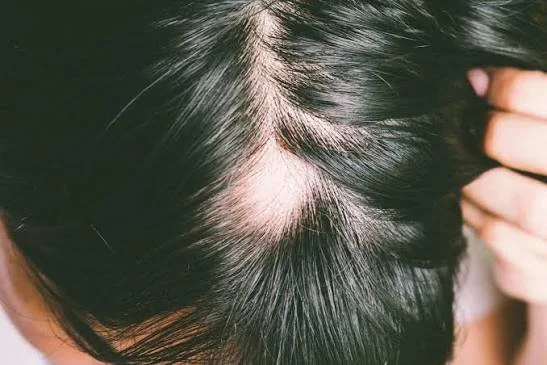
CCCA is the most common form of scarring hair loss in Black women — and one of the most underrecognized conditions in all of dermatology. It typically begins at the crown of the scalp and slowly spreads outward in a centrifugal pattern, destroying hair follicles permanently as it progresses. Because the follicle itself is destroyed, hair in affected areas cannot grow back. Early diagnosis and treatment are not optional — they are the difference between preserving your hair and losing it.
Early signs of CCCA include sensitivity or tenderness at the crown, a gradual change in texture or density in the central scalp, itching or burning, and small patches of hair loss that initially go unnoticed. Many patients are told the changes are normal, stress-related, or due to protective styles — and spend years without an accurate diagnosis or any treatment.
Traction alopecia
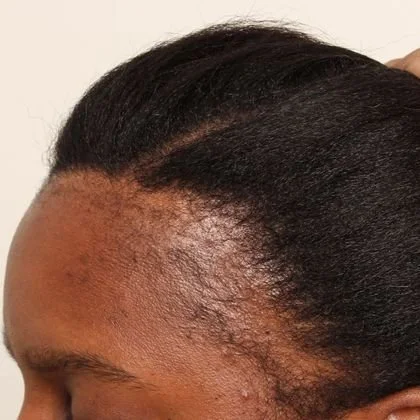
Traction alopecia results from prolonged or repeated tension applied to the hairline and scalp — most commonly from tight braids, weaves, extensions, ponytails, loc styles, or repeated heat and chemical damage. It presents as thinning or hair loss along the frontal hairline, temples, and nape of the neck, often with small follicular papules or redness in early stages.
Unlike CCCA, traction alopecia is non-scarring in its early and moderate stages — which means that with timely treatment and style modification, significant or complete regrowth is possible. In long-standing or severe cases, permanent scarring can develop. As with CCCA, earlier intervention produces dramatically better outcomes.
Other types of hair loss Dr. Marcelus treats
Cutis MD evaluates and treats the full spectrum of hair loss conditions, including:
Androgenetic alopecia (female pattern hair loss)
Alopecia areata and totalis
Telogen effluvium from illness, postpartum changes, nutritional deficiencies, or stress
Frontal fibrosing alopecia
Seborrheic dermatitis and scalp inflammation contributing to shedding
Postpartum hair loss
How Dr. Marcelus evaluates hair loss
A thorough evaluation at Cutis MD includes:
A detailed medical, medication, and hair care history — including styling practices and product use
Scalp examination under dermoscopy to assess the follicular pattern and degree of inflammation or scarring
Assessment of any scalp symptoms such as tenderness, burning, or itching
Targeted lab work to rule out contributing systemic causes including thyroid dysfunction, iron deficiency, vitamin D deficiency, and hormonal imbalance
Scalp biopsy when a scarring process is suspected or the diagnosis is clinically unclear
A biopsy taken early, before significant scarring has occurred, can confirm the type of hair loss and guide treatment decisions in a way that prevents years of ineffective trial-and-error treatment.
Treatment options
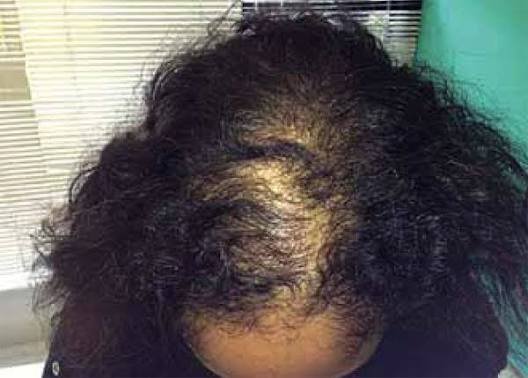
Treatment at Cutis MD is individualized based on your diagnosis, stage, scalp health, and history with prior treatments. Options may include:
Topical therapies including minoxidil, corticosteroids, and anti-inflammatory agents applied directly to the scalp
Intralesional corticosteroid injections into active areas of inflammation or early scarring
Oral medications including spironolactone, finasteride where appropriate, hydroxychloroquine, and tetracycline antibiotics for inflammatory and scarring conditions
Platelet-rich plasma (PRP) or platelet-rich fibrin matrix (PRFM) injections to stimulate follicular activity in non-scarring hair loss
Personalized hair care and styling guidance to minimize ongoing mechanical and chemical damage
Referral coordination for surgical hair restoration in appropriate candidates
FAQ
Q: Can CCCA hair loss grow back?
In areas where the follicle has been permanently destroyed by scarring, hair cannot regrow. This is why early diagnosis and treatment are so critical — the goal is to stop the progression and preserve the follicles that remain. In early CCCA, halting progression and preventing further loss is achievable with appropriate treatment.
Q: Is traction alopecia reversible?
In most cases, yes — if caught before scarring occurs. With timely treatment and style modification, significant or complete regrowth is possible. In cases where tight styling has been practiced for many years without any treatment, some permanent thinning may remain.
Q: How is CCCA different from regular hair thinning?
CCCA is a scarring condition — meaning it permanently destroys hair follicles. Regular hair thinning from androgenetic alopecia or telogen effluvium does not destroy follicles. The distinction is critical for treatment planning, which is why dermoscopy and sometimes biopsy are important diagnostic tools.
Booking CTA
Cutis MD accepts new patients for hair loss evaluation and treatment, including patients presenting for the first time, those who have a prior diagnosis but are not responding to current treatment, and patients seeking a second opinion. In-person appointments are available at our Vinings location, and virtual consultations are available for patients throughout Georgia.
Acne is the most common skin condition in the United States and in patients with darker skin tones, it carries a second burden that is often overlooked: post-inflammatory hyperpigmentation, or PIH. The dark spots left behind after acne heals can be as distressing as the acne itself, and treating them requires a very different approach than treating lighter skin. Dr. Christina Marcelus is a board-certified dermatologist in Atlanta, Georgia, specializing in acne and acne scarring in patients of all skin tones, with particular expertise in melanin-rich skin. Cutis MD Dermatology serves patients throughout Vinings, Buckhead, Cumberland, and greater Atlanta.
What is Acne?
Acne is an inflammatory condition that develops when hair follicles become clogged with oil and dead skin cells, creating an environment where bacteria can thrive. It can appear as blackheads, whiteheads, inflamed papules, pustules, nodules, or cysts.
Acne is not caused by poor hygiene or diet alone. Sebum production, follicular occlusion, bacterial overgrowth, inflammation, genetics, and hormonal fluctuations may all play a role.
Comedonal acne
Blackheads, whiteheads, and clogged pores.
Inflammatory acne
Red or tender papules and pustules.
Hormonal acne
Often concentrated along the jawline and lower face.
Nodulocystic acne
Deeper, more painful lesions with a greater risk of scarring.
Acne in Skin of Color—
Why the stakes are higher…
Every pimple, cyst, or inflamed lesion is a potential dark mark. In patients with Fitzpatrick skin types IV through VI, the inflammatory response of acne almost always triggers melanin overproduction in the surrounding skin — leaving behind post-inflammatory hyperpigmentation (PIH) that can persist for months to years after the acne itself has resolved. For many patients with darker skin tones, the dark spots become the primary complaint.
This is why treating acne in patients with melanin-rich skin requires a strategy from the start that accounts for PIH prevention — not just acne control. Aggressive treatments that cause significant irritation may clear acne while leaving behind more hyperpigmentation. Dr. Marcelus approaches acne treatment with this reality in mind from day one.
What is acne?
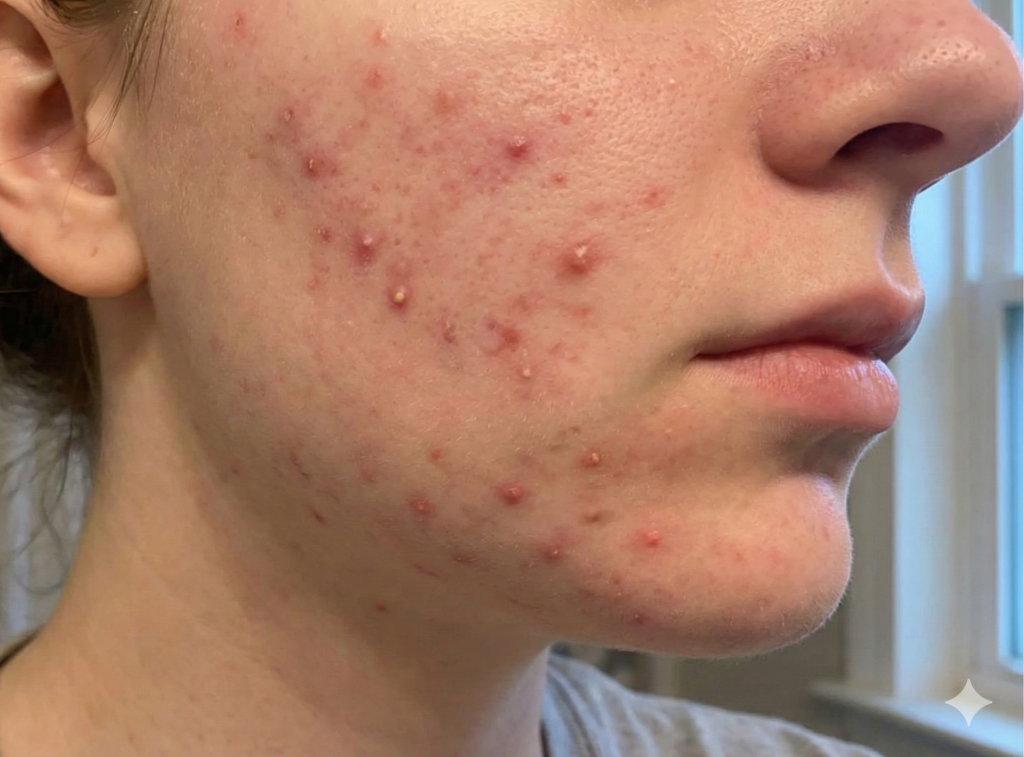
Acne is an inflammatory condition that develops when hair follicles become clogged with oil and dead skin cells, creating an environment where bacteria can thrive. This produces a range of lesions — from non-inflammatory blackheads and whiteheads to inflamed papules, pustules, and cysts. Acne is not caused by poor hygiene or diet alone. It is driven by sebum production, follicular occlusion, bacterial overgrowth, and inflammation — and in many patients, hormonal fluctuations play a significant role.
Acne in skin of color: why the stakes are higher
Every pimple, cyst, or inflamed lesion is a potential dark mark. In patients with Fitzpatrick skin types IV through VI, the inflammatory response of acne almost always triggers melanin overproduction in the surrounding skin — leaving behind post-inflammatory hyperpigmentation (PIH) that can persist for months to years after the acne itself has resolved. For many patients with darker skin tones, the dark spots become the primary complaint.
This is why treating acne in patients with melanin-rich skin requires a strategy from the start that accounts for PIH prevention — not just acne control. Aggressive treatments that cause significant irritation may clear acne while leaving behind more hyperpigmentation. Dr. Marcelus approaches acne treatment with this reality in mind from day one.
Acne scarring
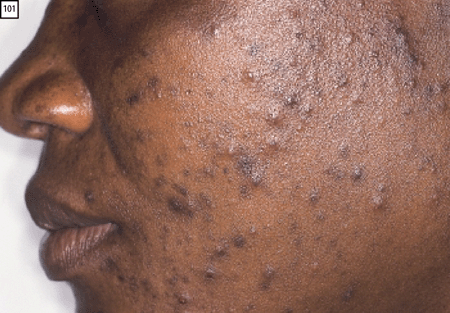
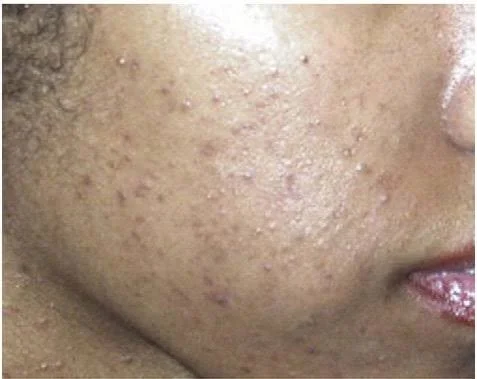
Beyond PIH, some patients develop true acne scars — depressions or raised areas where the skin architecture has been physically altered. Ice pick scars, boxcar scars, rolling scars, and keloid or hypertrophic scars can all develop, and some types of scarring are more common in patients with darker skin. Treating acne scars in melanin-rich skin requires careful selection of procedures — not all scar treatments are appropriate or safe across all skin tones.
Treatment options at Cutis MD
Dr. Marcelus develops individualized treatment plans based on your acne type, severity, skin tone, and history. Options may include:
Topical retinoids and retinol formulations
Azelaic acid and tranexamic acid for simultaneous acne and PIH control
Topical antibiotics and benzoyl peroxide (selected carefully to minimize dryness and irritation in darker skin)
Oral antibiotics including doxycycline and minocycline for moderate to severe inflammatory acne
Hormonal therapies including spironolactone and oral contraceptives
Isotretinoin for severe or treatment-resistant acne
Chemical peels selected for skin of color safety profiles
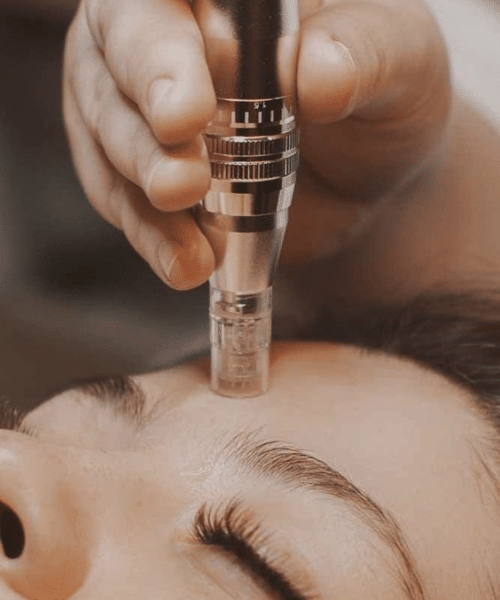
Microneedling for acne scarring and PIH
Comprehensive skincare guidance
Frequently Asked Questions
Answers to common questions about acne, PIH, and treatment
-
Post-inflammatory hyperpigmentation (PIH) is the dark discoloration that can remain after acne inflammation heals. It is especially common in melanin-rich skin, so treatment should address active acne while minimizing irritation and preventing new dark marks.
-
The goal is the opposite. Dr. Marcelus selects acne treatments with skin-of-color safety in mind and adjusts strength, frequency, and supportive skincare to control breakouts without unnecessary irritation that can worsen hyperpigmentation.
-
Many patients begin seeing fewer breakouts within six to eight weeks, but acne plans often need several months for their full effect. Dark marks and acne scars usually improve more gradually, and your timeline depends on acne severity, treatment consistency, and skin response.
FAQ
Q: What is PIH and how is it different from an acne scar?
Post-inflammatory hyperpigmentation (PIH) is the dark discoloration that develops after inflammation from acne. The skin's structure is intact — it is a pigmentation change, not structural damage. PIH can fade over time with the right treatment. A true acne scar involves a physical change in the skin's structure and requires procedural treatment.
Q: Will my acne treatment cause more dark spots?
Some acne treatments — particularly those that cause significant dryness or irritation — can worsen hyperpigmentation in darker skin tones. Dr. Marcelus selects medications and protocols specifically to minimize this risk from the outset of treatment.
Q: How long does it take to see results?
Most patients see meaningful improvement within 8 to 12 weeks of starting a consistent treatment protocol. PIH can take several months to fade even after acne is controlled. Acne scarring typically requires 4 to 6 sessions of procedural treatment for optimal results.
Booking CTA
Cutis MD accepts new patients for acne and acne scarring evaluation and treatment. In-person appointments in Vinings, Atlanta. Virtual consultations available throughout Georgia.
If you've been living with dry, itchy, inflamed skin that keeps coming back — often leaving dark patches behind long after the irritation fades — you may have eczema, also known as atopic dermatitis. Dr. Christina Marcelus is a board-certified dermatologist in Atlanta, Georgia, with specialized expertise in how eczema presents and progresses in patients with melanin-rich skin. Cutis MD Dermatology serves patients throughout Vinings, Buckhead, Cumberland, and greater Atlanta, with in-person and virtual appointments available.
What is eczema?
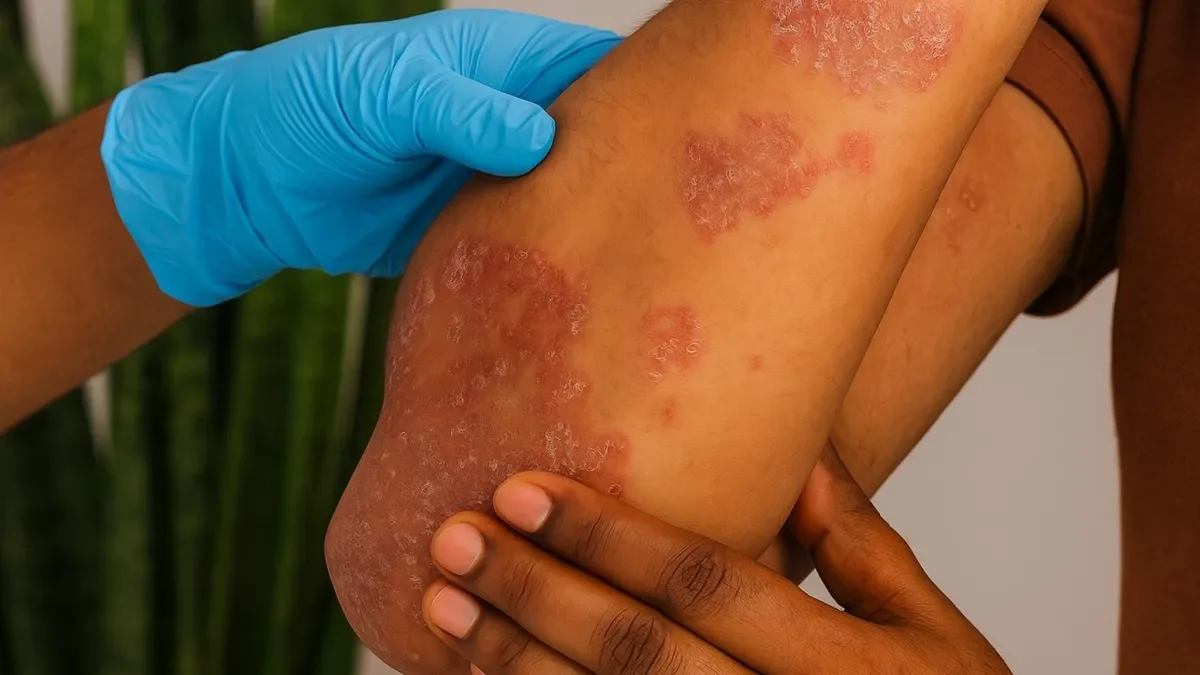
Eczema, or atopic dermatitis, is a chronic inflammatory skin condition that causes the skin's protective barrier to break down, leading to dryness, intense itching, rash, and inflammation. It is not contagious, not caused by poor hygiene, and not simply dry skin. Eczema is an immune-mediated condition with strong genetic and environmental components — and without proper treatment, it tends to persist and worsen over time.
How eczema looks different in skin of color
One of the most significant gaps in dermatology training is how eczema is taught. Medical textbooks have historically shown eczema almost exclusively on lighter skin tones, where it appears as a clearly red, inflamed rash. In patients with darker skin, eczema looks fundamentally different — and this difference has led to decades of underdiagnosis and undertreatment in Black and brown patients.
In melanin-rich skin, eczema may appear grayish, ashen, dark brown, or violaceous rather than red. The inflammatory areas often look more muted, less dramatic — and are consequently dismissed or missed entirely by providers who weren't trained to recognize it. By the time many patients with darker skin tones receive an accurate diagnosis, their eczema has already left significant post-inflammatory hyperpigmentation: the dark patches that remain long after the active inflammation resolves.
Dr. Marcelus evaluates eczema with full understanding of these presentation differences and treats both the active inflammation and its aftermath, including the hyperpigmentation that can persist for months to years.

What triggers eczema flares?
Eczema flares are driven by a combination of immune dysfunction, skin barrier disruption, and environmental triggers. Common triggers include: irritating soaps, detergents, or fabric softeners; synthetic fabrics; heat and sweating; dry air and cold weather; stress; dust mites, pet dander, and mold; and topical products with fragrances or alcohol. Identifying your personal triggers is a key part of long-term management at Cutis MD.
How Dr. Marcelus treats eczema at Cutis MD
Treatment is individualized based on the severity of your eczema, your age, and your history with prior treatments. Options may include:
Prescription-strength topical corticosteroids for active flares
Non-steroidal anti-inflammatory topicals including crisaborole (Eucrisa) and ruxolitinib (Opzelura) for maintenance
Dupilumab (Dupixent), an injectable biologic that targets the underlying inflammatory pathway — FDA-approved for moderate-to-severe atopic dermatitis
Topical calcineurin inhibitors for sensitive areas such as the face
Trigger identification and avoidance counseling
Barrier repair protocols using appropriate moisturizers
Management of post-inflammatory hyperpigmentation left by healed flares
Understanding pigmentation disorders
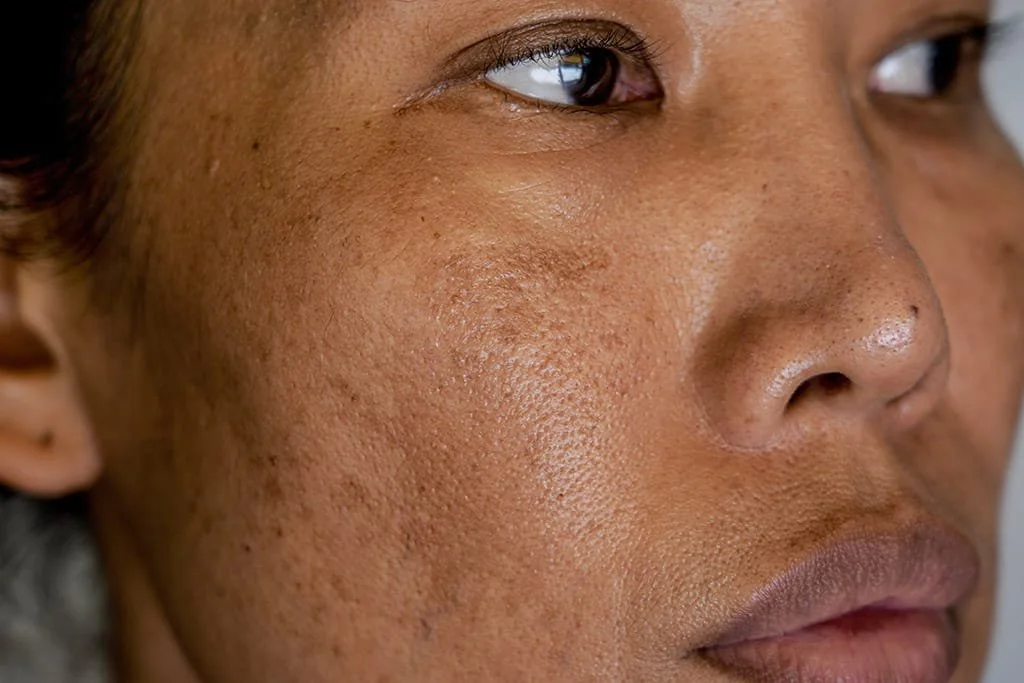
Not all dark spots are the same — and treating them effectively requires knowing exactly what you're dealing with. The most common pigmentation concerns Dr. Marcelus evaluates include: melasma (hormonally-driven patches on the face); post-inflammatory hyperpigmentation or PIH (from acne, eczema, injury, or any skin irritation); solar lentigines (sun spots from UV exposure); drug-induced hyperpigmentation; and vitiligo (an autoimmune condition causing areas of depigmentation).
Accurately identifying the type and depth of pigmentation is the essential first step — because the wrong treatment for the wrong type can make the condition significantly worse.
Melasma in skin of color
Melasma disproportionately affects women with darker skin tones — Fitzpatrick types IV through VI — and is significantly more common in women of Black, Latina, Asian, and Middle Eastern descent. It presents as symmetrical gray-brown or brown patches, most commonly on the cheeks, upper lip, forehead, and nose. Melasma is driven by a combination of hormonal factors, UV exposure, and genetic predisposition. It is a chronic condition that requires long-term management — not a one-time treatment.
What makes melasma particularly challenging in melanin-rich skin is the aggressive inflammatory response that many treatments can trigger. Chemical exfoliants and some topicals can paradoxically worsen pigmentation in darker skin tones if not chosen and used correctly. Dr. Marcelus approaches melasma with evidence-based, conservative protocols that prioritize consistent improvement over quick fixes that rebound.
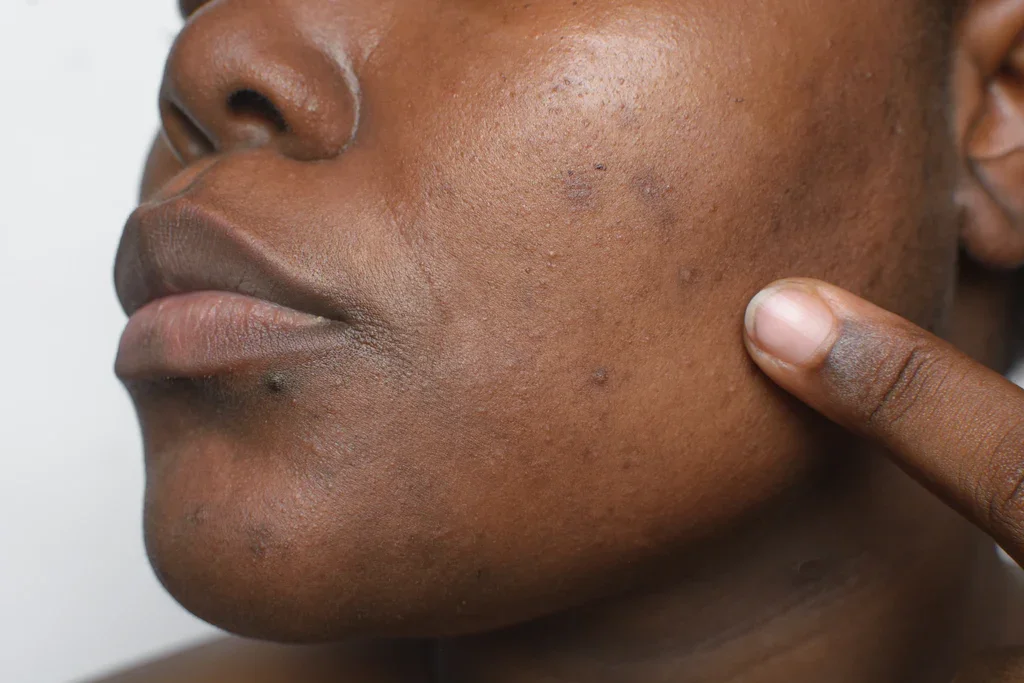
Post-inflammatory hyperpigmentation (PIH)
PIH develops when skin inflammation — from acne, eczema, a scratch, a rash, or even an aesthetic treatment — triggers melanin overproduction in the healing tissue. In patients with more melanin, this response is faster, more pronounced, and longer-lasting. PIH that fades within weeks in a lighter-skinned patient may persist for months or years without treatment in a patient with darker skin.
FAQ
Q: Why does eczema look different on my skin?
In patients with melanin-rich skin, eczema appears gray, ashen, or dark purple rather than red — because darker skin tones have more melanin that mutes the visible redness of inflammation. This is why eczema is so commonly missed or misdiagnosed in Black patients. At Cutis MD, Dr. Marcelus evaluates eczema with full understanding of how it presents across all skin tones.
Q: Can eczema cause permanent dark spots?
The eczema itself does not cause permanent discoloration, but the post-inflammatory hyperpigmentation it leaves behind can take months or even years to fade without targeted treatment. Dr. Marcelus addresses this directly as part of eczema management — not as a separate concern.
Q: Is eczema related to allergies?
Many patients with eczema also have allergic conditions like hay fever or asthma — a connection called the atopic triad. However, eczema is primarily a dysfunction of the skin barrier and immune system, not purely an allergic condition.
Booking CTA
Cutis MD accepts new patients for eczema evaluation and treatment, including patients who have been previously dismissed, have not found adequate relief with over-the-counter treatment, or are dealing with significant post-inflammatory hyperpigmentation. In-person in Vinings, Atlanta. Virtual consultations available throughout Georgia.
Dark spots, uneven tone, and persistent discoloration are among the most common and emotionally significant skin concerns — particularly for patients with melanin-rich skin. Whether from melasma, post-inflammatory hyperpigmentation, or other causes, pigmentation disorders require a careful, nuanced approach that goes well beyond brightening products. Dr. Christina Marcelus is a board-certified dermatologist in Atlanta, Georgia, with specialized expertise in diagnosing and treating pigmentation disorders in all skin tones. Cutis MD Dermatology serves patients throughout Vinings, Buckhead, Cumberland, and greater Atlanta.
Treatment at Cutis MD
Treatment is individualized based on the pigmentation type, depth, and your skin tone. Options include:
Prescription hydroquinone — the gold standard for hyperpigmentation, used in carefully managed protocols
Azelaic acid — effective for both melasma and PIH with a strong safety profile for darker skin tones
Topical retinoids to accelerate cell turnover and fade discoloration
Tranexamic acid, oral and topical, for melasma with strong emerging evidence
Vitamin C and kojic acid formulations
Chemical peels selected for skin of color safety — mandelic, lactic, and low-concentration salicylic
Strict UV protection protocols, which are non-negotiable for any pigmentation treatment
FAQ
Q: Is melasma permanent?
Melasma is a chronic condition that can be effectively managed but not permanently cured. With consistent treatment and sun protection, most patients achieve significant and sustained improvement — but the condition can recur with hormonal changes or UV exposure without ongoing maintenance.
Q: Can chemical peels make my dark spots worse?
In the wrong hands, yes. Chemical peels that are too aggressive or not calibrated for your skin tone can trigger PIH in melanin-rich skin. At Cutis MD, peel selection is specific to your Fitzpatrick type. See the Chemical Peels page for full detail.
Q: Do I need a prescription for effective treatment?
Over-the-counter brightening products can support treatment but rarely produce meaningful results on established melasma or deep PIH on their own. Prescription-strength topicals and professionally supervised protocols are typically necessary for significant, lasting improvement.
Booking CTA
Cutis MD accepts new patients for pigmentation evaluation and treatment. In-person in Vinings, Atlanta. Virtual appointments available throughout Georgia.
Psoriasis is a chronic autoimmune condition that affects millions of Americans — and like many skin conditions, it presents and responds very differently in patients with darker skin tones. Dr. Christina Marcelus is a board-certified dermatologist in Atlanta, Georgia, who treats psoriasis with a comprehensive, evidence-based approach tailored to your skin type, the severity of your disease, and your individual treatment goals. Cutis MD Dermatology serves patients throughout Vinings, Buckhead, Cumberland, and greater Atlanta, with in-person and virtual appointments available.
What is psoriasis?
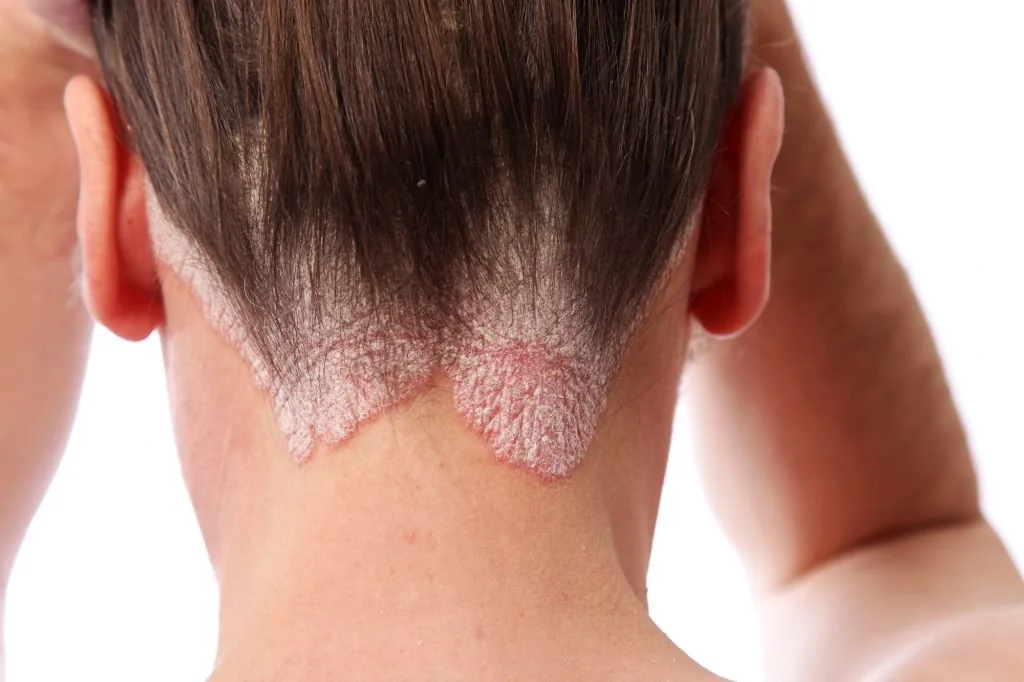
Psoriasis is an immune-mediated condition that accelerates the skin cell life cycle. Skin cells build up rapidly on the surface, forming patches of thick, scaly skin that can crack, bleed, and itch intensely. Psoriasis is not contagious and is not caused by poor hygiene. It is a systemic inflammatory condition — meaning the inflammation extends beyond the skin — and patients with psoriasis have elevated risk of psoriatic arthritis, cardiovascular disease, and metabolic syndrome.
Psoriasis in skin of color
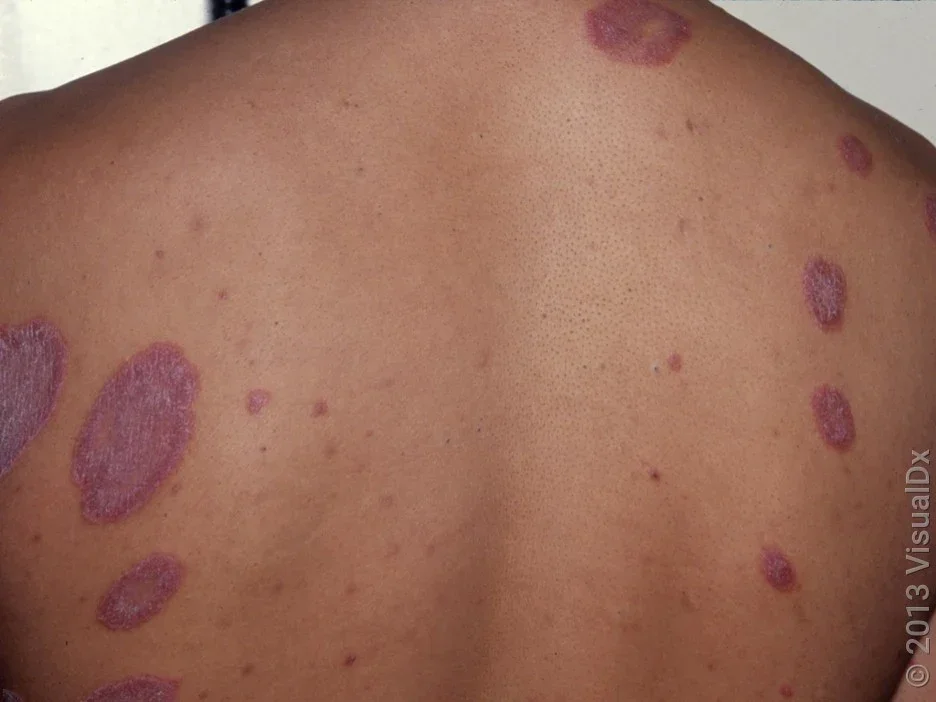
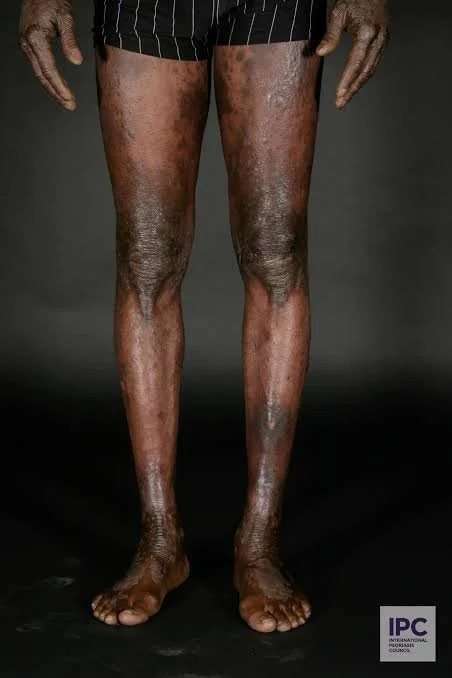
In patients with lighter skin tones, psoriatic plaques typically appear pink or red with a silvery scale. In patients with melanin-rich skin, this presentation changes significantly: plaques may appear dark brown, purple, or grayish rather than red, and the scale may be less prominent. This difference means psoriasis in Black and brown patients is consistently underdiagnosed or misdiagnosed and treated later than it would be in lighter-skinned patients.
Additionally, as psoriatic plaques heal, they frequently leave post-inflammatory hyperpigmentation — dark patches that can persist long after the active plaque has cleared. Managing both the psoriasis and its aftermath is a core part of treatment at Cutis MD.
Treatment options at Cutis MD
Treatment depends on the type and severity of your psoriasis. Options include:
Topical corticosteroids and vitamin D analogues for mild to moderate disease
Topical non-steroidal treatments including Tapinarof and Roflumilast
Phototherapy (narrowband UVB) for widespread disease
Systemic treatments including methotrexate, cyclosporine, and apremilast
Biologic therapy for moderate to severe psoriasis — including TNF inhibitors, IL-17 inhibitors, and IL-23 inhibitors — the most targeted and effective treatments available
Management of post-inflammatory hyperpigmentation in the recovery phase
FAQ
Q: Is psoriasis curable?
There is no permanent cure for psoriasis, but it can be very effectively managed. With modern biologic therapies, many patients achieve near-complete or complete skin clearance. The goal at Cutis MD is finding the right treatment to keep your psoriasis well-controlled with minimal side effects.
Q: Is psoriasis contagious?
No. Psoriasis is an autoimmune condition — it cannot be spread through skin contact or any other means.
Q: What triggers psoriasis flares?
Common triggers include stress, certain medications, skin injury (the Koebner phenomenon), infections, and alcohol. Identifying your personal triggers is part of the management approach at Cutis MD.
Booking CTA
Cutis MD accepts new patients for psoriasis evaluation and treatment. In-person in Vinings, Atlanta. Virtual consultations available throughout Georgia.
Children's skin conditions require the same expertise and attention as adult dermatology — but with an approach that accounts for how conditions present differently at different ages, how treatments differ by age and weight, and how to communicate clearly with both the child and the parent. Dr. Christina Marcelus is a board-certified dermatologist in Atlanta, Georgia, who sees pediatric patients of all ages for medical dermatology concerns, with particular expertise in how conditions present in children with melanin-rich skin. Cutis MD Dermatology serves families throughout Vinings, Buckhead, Cumberland, and greater Atlanta.
Conditions Dr. Marcelus treats in children
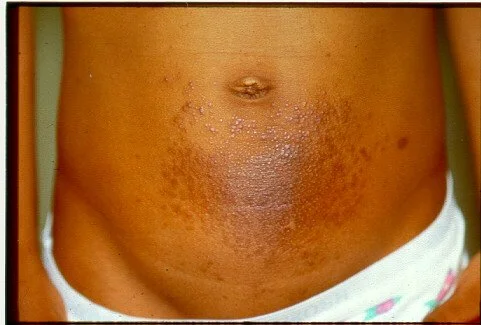
Dr. Marcelus sees pediatric patients for a wide range of conditions, including:
Eczema and atopic dermatitis — the most common pediatric skin condition, frequently undertreated in Black children because it presents differently on darker skin
Acne — including early-onset adolescent acne and acne in pre-teens
Hair loss and alopecia — including tinea capitis, alopecia areata, traction alopecia, and early CCCA, which can begin in childhood or adolescence
Rashes, viral infections, and contact dermatitis
Birthmarks, pigmentation irregularities, and vascular lesions
Molluscum contagiosum
Seborrheic dermatitis (cradle cap and scalp flaking)
Keloids and hypertrophic scars
Hyperpigmentation and hypopigmentation concerns
Nail conditions
Skin of color in children
Many dermatologic conditions that disproportionately affect Black and brown adults begin or have roots in childhood. Eczema in Black children is particularly underrecognized — it appears grayish or ashen rather than red, and is frequently dismissed as dry skin. CCCA, the most common scarring hair loss in Black women, can begin in the teenage years or even earlier — and early diagnosis can preserve follicles that would otherwise be permanently lost. Traction alopecia from tight protective styles is another condition that begins in childhood and can cause permanent hair loss if not addressed early.
Our approach with young patients
Every pediatric appointment at Cutis MD is conducted with patience, clear communication, and an unhurried pace. Dr. Marcelus explains findings and treatment plans to both child and parent — in age-appropriate language for the child and clinical language for the parent. You will never leave a pediatric appointment without understanding exactly what was found, what it means, and what the plan is. Cosmetic and aesthetic services are available to patients 18 and older.
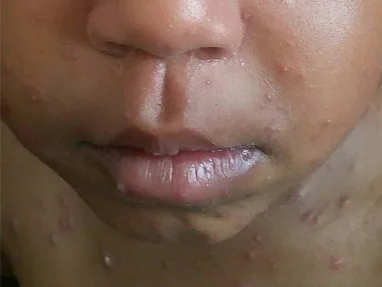
FAQ
FAQ Questions
Q: At what age should my child see a dermatologist?
There is no minimum age. If your child has a skin condition causing discomfort, that hasn't responded to over-the-counter treatment, or that your pediatrician has been unable to resolve, a dermatology evaluation is appropriate at any age.
Q: My child has had eczema since birth. Why isn't it getting better?
Eczema in children often requires prescription treatment to achieve meaningful control. Over-the-counter products are frequently not strong enough for moderate to severe pediatric eczema. There are also now biologic options approved for children as young as 6 months. A dermatology evaluation can identify the right protocol for your child's specific presentation.
Q: Can children get hair loss?
Yes, and several types of hair loss occur specifically in children. CCCA and traction alopecia can begin in childhood, and tinea capitis — a fungal scalp infection — is one of the most common causes of hair loss in school-age children. Early evaluation is important to determine the cause and begin treatment before permanent damage occurs.
Booking CTA
Cutis MD accepts new pediatric patients for all medical dermatology concerns. In-person in Vinings, Atlanta. Virtual consultations available for appropriate conditions.
Not every dermatology concern requires an in-person visit — and not every Georgian lives near a specialist. Dr. Christina Marcelus offers teledermatology appointments for patients throughout Georgia, providing the same board-certified expertise available in the Vinings office through a secure video consultation from wherever you are. Cutis MD's virtual visits are particularly well-suited for patients managing chronic conditions like hidradenitis suppurativa, eczema, hair loss, and acne — and for patients who have been waiting months for an appointment with a dermatologist who understands their skin.
What can be done in a virtual visit?
Many dermatology concerns can be effectively evaluated and managed through a high-quality video consultation. Virtual visits at Cutis MD are appropriate for:
Hidradenitis suppurativa follow-up visits and medication management
Acne evaluation and treatment
Eczema and atopic dermatitis management
Hair loss evaluation (with photos)
Prescription refills for established patients
Review of labs or prior test results
Second opinions on a prior diagnosis or treatment plan
Initial consultations for many conditions
Follow-up after procedures
Skincare and medication questions
What requires an in-person visit?
Certain evaluations and procedures require in-office equipment or direct examination: skin biopsies and excisions; full body skin checks and mole mapping; dermoscopy; injectable treatments (Botox, fillers, PRP); chemical peels and microneedling; and any procedure involving direct skin contact. If after your virtual evaluation Dr. Marcelus determines you need an in-person visit, she will let you know clearly and help coordinate it.
How it works
Book your virtual visit at cutismdcare.com and select Virtual Appointment as your visit type. You will receive a confirmation with a secure video link. At your appointment time, join from any device with a camera — smartphone, tablet, or computer. Come prepared with close-up photos of any skin concerns in good natural light, a list of current medications, and any prior records relevant to your concern. After the visit, prescriptions are sent electronically to your preferred pharmacy. Follow-up instructions are provided digitally.

FAQ
Q: Are virtual visits covered by insurance?
Cutis MD is currently completing the credentialing process with major Georgia insurers. During this transition, virtual visits are available on a self-pay basis at transparent, clearly communicated rates.
Q: Can Dr. Marcelus prescribe medications through a virtual visit?
Yes. Dr. Marcelus can evaluate, diagnose, and prescribe appropriate medications through a virtual visit. Prescriptions are sent electronically to your preferred pharmacy.
Q: What if my condition can't be diagnosed virtually?
If Dr. Marcelus determines after your virtual visit that an in-person evaluation is needed, she will let you know directly and can schedule you at the Vinings office.
Booking CTA
Virtual appointments are available for patients throughout Georgia. Book online and select Virtual Appointment as your visit type. In-person appointments are available at our Vinings, Atlanta location.