


Expert Care for
Hidradenitis
Suppurativa (HS)
If you’ve been living with painful, recurring bumps or abscesses in your underarms, groin, thighs, or beneath your breasts — and haven’t been able to get answers — you may have hidradenitis suppurativa. Specialized diagnosis and long-term management in Vinings, Atlanta and virtually across Georgia.
What is Hidradenitis Suppurativa?
Hidradenitis suppurativa, or HS, is a chronic inflammatory skin condition that causes painful, recurrent lumps, abscesses, and tunnel-like tracts beneath the skin — most commonly in the underarms, groin, inner thighs, buttocks, and under the breasts. It is not contagious. It is not caused by poor hygiene. It is not simply ingrown hairs or recurring cysts.
HS is an immune-mediated inflammatory condition driven by abnormal follicular occlusion, chronic inflammation, and in many patients, a significant genetic component. Without appropriate treatment, HS tends to progress — leading to more frequent flares, deeper scarring, and a substantial impact on quality of life.
Who does HS affect?
HS affects approximately 1–4% of the general population, but the burden is not equally distributed. Research consistently shows that Black women are diagnosed with HS at significantly higher rates than other groups — and often with more severe disease presentations. Despite this, HS remains one of the most underdiagnosed and undertreated conditions in dermatology.
The average time from first symptom to accurate diagnosis is seven to ten years. Many patients are told they have folliculitis, boils, or infected cysts before someone finally identifies what’s actually happening. If you’ve been dismissed, misdiagnosed, or simply never gotten a satisfying answer — that experience is common, and it’s not your fault.
Signs and symptoms of HS
Common signs of HS include recurring painful nodules or boils in skin-fold areas, abscesses that rupture and drain, scarring and tunnel formation beneath the skin surface, cord-like bands or thickened skin at previously affected sites, post-inflammatory dark spots where lesions have healed, and flares that worsen around menstrual cycles, with heat, friction, or stress.
HS is staged using the Hurley scale — from Stage I (isolated abscesses without scarring) through Stage III (diffuse involvement with extensive scarring and tunneling). Treatment approach depends significantly on stage, and early intervention produces the best long-term outcomes.
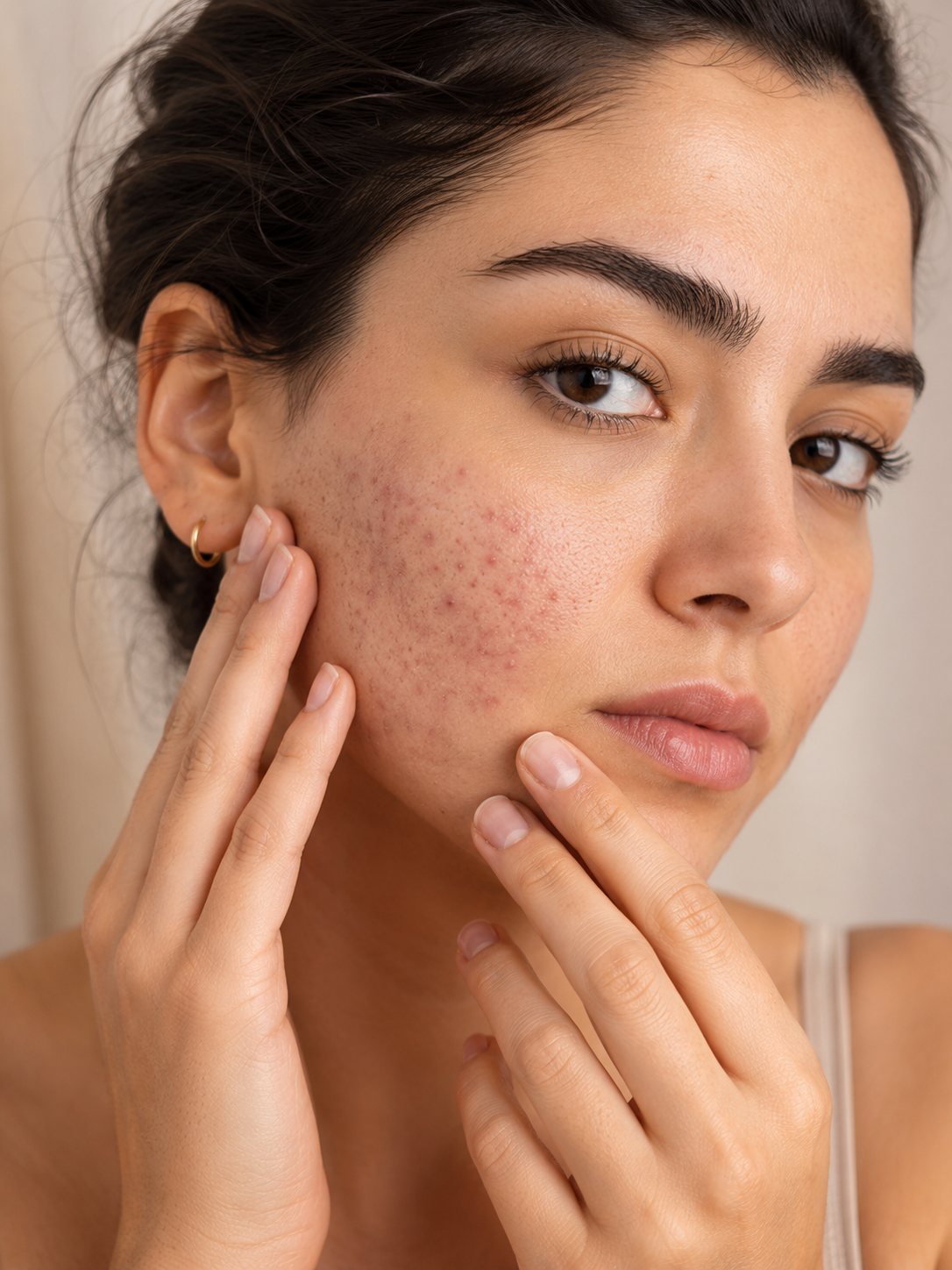
Chemical Peels Peel type and concentration are selected for your Fitzpatrick skin type, your concern, and your history with prior treatments.
MANDELIC ACID
W H A T T O E X P E C T
The peel takes 20 to 40 minutes. You will feel tingling, warmth, or mild stinging during application. Most patients need several sessions spaced 3 to 4 weeks apart.
RESURFACING · ALL SKIN TONES
Chemical Peels
How Dr. Marcelus Performs Chemical Peels at Cutis MD
MANDELIC ACID
MANDELIC ACID
MANDELIC ACID
MANDELIC ACID
MANDELIC ACID
Larger molecule, slower penetration, and reduced risk of postprocedure dark marks.
Larger molecule, slower penetration, and reduced risk of postprocedure dark marks.
Larger molecule, slower penetration, and reduced risk of postprocedure dark marks.
Larger molecule, slower penetration, and reduced risk of postprocedure dark marks.
Larger molecule, slower penetration, and reduced risk of postprocedure dark marks.
Larger molecule, slower penetration, and reduced risk of postprocedure dark marks.
Frequently Asked Questions
Answers to common questions about peels and skin tone
-
Yes — but the peel type, concentration, and preparation protocol must be chosen with your skin tone specifically in mind. Dr. Marcelus specializes in this evaluation and will not perform a peel she doesn’t believe is appropriate and safe for your specific skin.
-
If performed incorrectly with an inappropriate peel type, yes — hyperpigmentation can worsen. This is the most common concern among patients with darker skin, and it is valid. At Cutis MD, pre-treatment preparation, peel selection, and post-procedure care are all specifically chosen to minimize this risk.
-
Most patients notice improvement in tone and texture after two to three sessions. Significant pigmentation correction typically requires four to six sessions depending on the depth and age of the pigmentation.
Frequently Asked Questions
Answers to common questions about neurotoxin treatment
-
Yes. The neurotoxin itself does not interact with melanin or affect skin pigmentation. Botox and other neurotoxins are safe and effective across all skin tones when administered by a knowledgeable provider.
-
A board-certified dermatologist has completed four years of medical school, internship, and a three-year accredited dermatology residency — over ten years of training that includes facial anatomy, managing complications, and recognizing when something is wrong. When choosing an injector, consider who you want in the room if something unexpected happens.
-
Most patients see results for three to four months before gradual return of muscle movement. First-time patients sometimes metabolize the product faster. With consistent treatment over time, many patients find results lasting slightly longer.
Frequently Asked Questions
Answers to common questions about peels and skin tone
-
Yes — but the peel type, concentration, and preparation protocol must be chosen with your skin tone specifically in mind. Dr. Marcelus specializes in this evaluation and will not perform a peel she doesn’t believe is appropriate and safe for your specific skin.
-
If performed incorrectly with an inappropriate peel type, yes — hyperpigmentation can worsen. This is the most common concern among patients with darker skin, and it is valid. At Cutis MD, pre-treatment preparation, peel selection, and post-procedure care are all specifically chosen to minimize this risk.
-
Most patients notice improvement in tone and texture after two to three sessions. Significant pigmentation correction typically requires four to six sessions depending on the depth and age of the pigmentation.
Frequently Asked Questions
Answers to common questions about peels and skin tone
-
Yes — but the peel type, concentration, and preparation protocol must be chosen with your skin tone specifically in mind. Dr. Marcelus specializes in this evaluation and will not perform a peel she doesn’t believe is appropriate and safe for your specific skin.
-
If performed incorrectly with an inappropriate peel type, yes — hyperpigmentation can worsen. This is the most common concern among patients with darker skin, and it is valid. At Cutis MD, pre-treatment preparation, peel selection, and post-procedure care are all specifically chosen to minimize this risk.
-
Most patients notice improvement in tone and texture after two to three sessions. Significant pigmentation correction typically requires four to six sessions depending on the depth and age of the pigmentation.
Frequently Asked Questions
Answers to common questions about peels and skin tone
-
Yes — but the peel type, concentration, and preparation protocol must be chosen with your skin tone specifically in mind. Dr. Marcelus specializes in this evaluation and will not perform a peel she doesn’t believe is appropriate and safe for your specific skin.
-
If performed incorrectly with an inappropriate peel type, yes — hyperpigmentation can worsen. This is the most common concern among patients with darker skin, and it is valid. At Cutis MD, pre-treatment preparation, peel selection, and post-procedure care are all specifically chosen to minimize this risk.
-
Most patients notice improvement in tone and texture after two to three sessions. Significant pigmentation correction typically requires four to six sessions depending on the depth and age of the pigmentation.
Frequently Asked Questions
Answers to common questions about peels and skin tone
-
Yes — but the peel type, concentration, and preparation protocol must be chosen with your skin tone specifically in mind. Dr. Marcelus specializes in this evaluation and will not perform a peel she doesn’t believe is appropriate and safe for your specific skin.
-
If performed incorrectly with an inappropriate peel type, yes — hyperpigmentation can worsen. This is the most common concern among patients with darker skin, and it is valid. At Cutis MD, pre-treatment preparation, peel selection, and post-procedure care are all specifically chosen to minimize this risk.
-
Most patients notice improvement in tone and texture after two to three sessions. Significant pigmentation correction typically requires four to six sessions depending on the depth and age of the pigmentation.
Frequently Asked Questions
Answers to common questions about peels and skin tone
-
Yes — but the peel type, concentration, and preparation protocol must be chosen with your skin tone specifically in mind. Dr. Marcelus specializes in this evaluation and will not perform a peel she doesn’t believe is appropriate and safe for your specific skin.
-
If performed incorrectly with an inappropriate peel type, yes — hyperpigmentation can worsen. This is the most common concern among patients with darker skin, and it is valid. At Cutis MD, pre-treatment preparation, peel selection, and post-procedure care are all specifically chosen to minimize this risk.
-
Most patients notice improvement in tone and texture after two to three sessions. Significant pigmentation correction typically requires four to six sessions depending on the depth and age of the pigmentation.
Frequently Asked Questions
Answers to common questions about peels and skin tone
-
Yes — but the peel type, concentration, and preparation protocol must be chosen with your skin tone specifically in mind. Dr. Marcelus specializes in this evaluation and will not perform a peel she doesn’t believe is appropriate and safe for your specific skin.
-
If performed incorrectly with an inappropriate peel type, yes — hyperpigmentation can worsen. This is the most common concern among patients with darker skin, and it is valid. At Cutis MD, pre-treatment preparation, peel selection, and post-procedure care are all specifically chosen to minimize this risk.
-
Most patients notice improvement in tone and texture after two to three sessions. Significant pigmentation correction typically requires four to six sessions depending on the depth and age of the pigmentation.
Frequently Asked Questions
Answers to common questions about peels and skin tone
-
Yes — but the peel type, concentration, and preparation protocol must be chosen with your skin tone specifically in mind. Dr. Marcelus specializes in this evaluation and will not perform a peel she doesn’t believe is appropriate and safe for your specific skin.
-
If performed incorrectly with an inappropriate peel type, yes — hyperpigmentation can worsen. This is the most common concern among patients with darker skin, and it is valid. At Cutis MD, pre-treatment preparation, peel selection, and post-procedure care are all specifically chosen to minimize this risk.
-
Most patients notice improvement in tone and texture after two to three sessions. Significant pigmentation correction typically requires four to six sessions depending on the depth and age of the pigmentation.

ACTIVE ACNE + LONG-TERM MARKS
Treatment Options
How Dr. Marcelus Treats Acne at Cutis MD
Prescription Topicals
Retinoids, antimicrobial agents, and anti-inflammatory therapies.
Oral Medications
Antibiotics or other systemic therapy for moderate or persistent acne.
Accutane
A highly effective option for severe, persistent, or scarring acne.
Plans are tailored to your acne pattern, skin sensitivity, scarring risk, and personal goals.
Pigment-Conscious Care
Strategies designed to treat acne while limiting irritation and dark marks.
Hormonal Therapy
Options for hormonally influenced acne in appropriate patients.
Scar Procedures
Peels, microneedling, injections, or other procedures selected by scar type.